

Maintaining a 1 Ton Road Roller is crucial for ensuring its optimal performance, longevity, and safety. As a supplier of 1 Ton Road Rollers, I understand the significance of proper maintenance, and in this blog, I'll share some essential tips and best practices to keep your road roller in top - notch condition.
Pre - operation Checks
Before starting the road roller, a thorough pre - operation check is necessary. First, examine the tire pressure. Incorrect tire pressure can lead to uneven compaction and premature tire wear. Use a reliable tire pressure gauge to ensure that the tires are inflated to the manufacturer's recommended levels.
Next, check the engine oil level. Low oil levels can cause engine overheating and damage. Locate the oil dipstick, pull it out, wipe it clean, re - insert it, and then check the oil level. If the oil is below the minimum mark, add the appropriate type of oil as specified in the user manual.
Inspect the coolant level as well. The coolant helps to regulate the engine temperature. Open the radiator cap (only when the engine is cool) and check if the coolant is at the proper level. If it's low, add a mixture of coolant and water according to the manufacturer's instructions.
Check the hydraulic fluid level. The hydraulic system is responsible for the movement and operation of various components of the road roller. Low hydraulic fluid can lead to reduced performance and potential system failures. Locate the hydraulic fluid reservoir and check the level using the sight glass or dipstick.
Daily Maintenance
After each use, it's important to clean the road roller. Remove any dirt, debris, and asphalt residue from the rollers, frame, and other components. Use a pressure washer or a hose to wash away the dirt. Pay special attention to the areas around the engine and hydraulic components to prevent the build - up of contaminants.
Inspect the roller drums for any signs of damage, such as cracks or excessive wear. If you notice any issues, it's important to address them immediately. A damaged roller drum can affect the compaction quality and may lead to further problems.
Check the bolts and nuts on the road roller regularly. Vibration during operation can cause these fasteners to loosen. Use a torque wrench to ensure that all bolts and nuts are tightened to the correct torque specifications.
Lubricate the moving parts of the road roller as recommended in the user manual. This includes the bearings, joints, and pivot points. Proper lubrication reduces friction and wear, ensuring smooth operation and extending the lifespan of the components.
Periodic Maintenance
In addition to daily maintenance, periodic maintenance tasks are also essential. Change the engine oil and oil filter at the recommended intervals. Over time, the oil can become contaminated with dirt and debris, which can reduce its effectiveness in lubricating the engine. A new oil filter helps to keep the oil clean and free of contaminants.
Replace the air filter regularly. A dirty air filter restricts the airflow to the engine, which can lead to reduced performance and increased fuel consumption. A clean air filter ensures that the engine receives an adequate supply of clean air for combustion.
Inspect the hydraulic hoses for any signs of wear, cracks, or leaks. Hydraulic hoses are under high pressure, and a damaged hose can cause hydraulic fluid to leak, leading to system failures. If you notice any issues with the hoses, replace them immediately.
Check the brake system. The brakes are a critical safety component of the road roller. Inspect the brake pads, shoes, and hydraulic lines for wear and damage. Ensure that the brakes are functioning properly and that the braking distance is within the acceptable range.
Storage
If the road roller is not going to be used for an extended period, proper storage is essential. Clean the road roller thoroughly before storing it to prevent the build - up of rust and corrosion.
Store the road roller in a dry, sheltered area. Exposure to moisture can cause rust and damage to the components. If possible, cover the road roller with a protective tarp to further protect it from the elements.
Before storing, fill the fuel tank to prevent condensation from forming inside the tank. Add a fuel stabilizer to the fuel to prevent it from deteriorating over time.
Disconnect the battery to prevent it from discharging. Clean the battery terminals and apply a thin layer of petroleum jelly to prevent corrosion.
The Importance of Maintenance
Proper maintenance of a 1 Ton Road Roller offers several benefits. Firstly, it ensures optimal performance. A well - maintained road roller can achieve better compaction results, which is essential for constructing high - quality roads and pavements.
Secondly, maintenance extends the lifespan of the road roller. By addressing minor issues before they become major problems, you can avoid costly repairs and replacements.
Finally, maintenance enhances safety. A road roller that is in good working condition is less likely to malfunction during operation, reducing the risk of accidents and injuries.
Related Products
If you are looking for a more powerful road roller, we also offer the 3 Ton Road Roller. This road roller is suitable for larger construction projects and offers higher compaction force.
Another great option is the Vibratory Roller XCMG XS400J. It features advanced vibration technology for more efficient compaction.

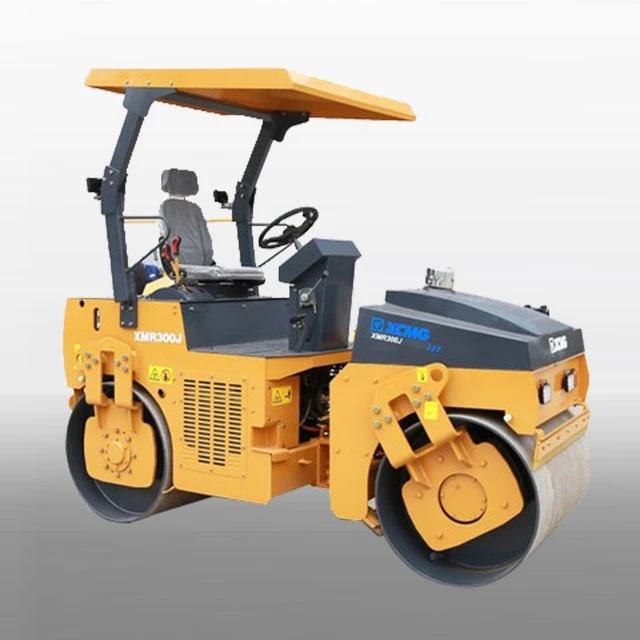
We also have the XCMG Road Roller Compactor, which is known for its high - quality construction and reliable performance.
Contact for Purchase
If you are interested in purchasing a 1 Ton Road Roller or any of our other road roller products, we invite you to contact us for a detailed discussion. Our team of experts is ready to assist you in selecting the right road roller for your specific needs. We can also provide you with information on pricing, financing options, and after - sales support.
