

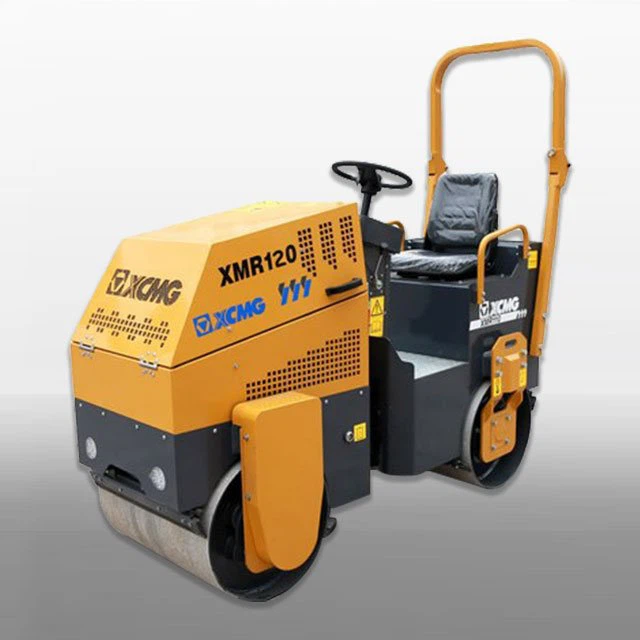
When it comes to road construction and maintenance, XCMG Mini Road Rollers are well - known for their reliability and efficiency. However, using these machines in high - altitude areas presents unique challenges that require specific adjustments. As a proud supplier of XCMG Mini Road Rollers, I've witnessed firsthand the importance of these adaptations to ensure optimal performance.
1. Engine Performance Adjustments
One of the most significant impacts of high - altitude conditions on XCMG Mini Road Rollers is on the engine. At high altitudes, the air density is lower, which means there is less oxygen available for combustion. This can lead to a decrease in engine power and efficiency.
To counter this, the engine's fuel injection system may need to be recalibrated. The amount of fuel injected into the combustion chamber needs to be adjusted to match the reduced oxygen levels. A leaner fuel - air mixture is typically required at high altitudes. Modern XCMG Mini Road Rollers are often equipped with electronic fuel injection systems that can be programmed to adjust the fuel - air ratio based on altitude sensors. However, in some cases, manual adjustments or software updates may be necessary.
Another aspect of engine performance is the cooling system. At high altitudes, the thinner air has a lower heat - transfer capacity. This means that the engine may be more prone to overheating. To address this, the radiator may need to be upgraded or the cooling fan speed may need to be increased. Regular checks of the coolant level and the condition of the radiator fins are essential to ensure efficient heat dissipation.
2. Tire Pressure and Traction
Tire pressure is another critical factor when using XCMG Mini Road Rollers in high - altitude areas. The lower atmospheric pressure at high altitudes can cause the tire pressure to increase. This can lead to reduced traction and uneven wear on the tires.
It is important to regularly check and adjust the tire pressure according to the manufacturer's recommendations for high - altitude operation. In general, the tire pressure should be slightly lower than the recommended pressure at sea level. This helps to maintain better contact with the road surface and improve traction.
In addition to tire pressure, the type of tires used can also affect the performance of the road roller. In high - altitude areas where the road surface may be more uneven or slippery, tires with a deeper tread pattern or better grip characteristics may be required. XCMG offers a range of tire options for its Mini Road Rollers, and choosing the right tires can significantly improve the machine's performance and safety.
3. Hydraulic System Considerations
The hydraulic system of the XCMG Mini Road Roller is responsible for powering many of its functions, such as the vibration system and the steering. At high altitudes, the viscosity of the hydraulic fluid can change due to the lower temperature and air pressure.
The hydraulic fluid may become thicker, which can lead to increased resistance in the hydraulic lines and reduced efficiency of the system. To prevent this, it is important to use a hydraulic fluid with a suitable viscosity grade for high - altitude operation. Regular checks of the hydraulic fluid level and quality are also necessary. If the fluid shows signs of contamination or degradation, it should be replaced immediately.
The seals and gaskets in the hydraulic system are also more prone to leakage at high altitudes. The lower air pressure can cause the seals to expand or contract, leading to gaps and leaks. Regular inspections of the hydraulic system for leaks and proper maintenance of the seals are crucial to ensure the reliable operation of the road roller.
4. Operator Training and Safety
Operating an XCMG Mini Road Roller in high - altitude areas requires additional training for the operators. The unique challenges posed by high - altitude conditions, such as reduced engine power, changes in tire pressure, and potential hydraulic system issues, need to be understood by the operators.
Operators should be trained on how to make the necessary adjustments to the machine's settings, such as fuel injection, tire pressure, and hydraulic fluid levels. They should also be aware of the signs of potential problems, such as engine overheating or hydraulic leaks, and know how to respond appropriately.
Safety is of utmost importance when operating road rollers in high - altitude areas. The reduced oxygen levels can cause fatigue and altitude sickness in operators. It is essential to provide proper rest breaks and ensure that operators are well - hydrated and acclimatized to the high - altitude environment. Personal protective equipment, such as oxygen masks in extreme cases, may also be necessary.
5. Maintenance and Service
Regular maintenance and service are even more crucial when using XCMG Mini Road Rollers in high - altitude areas. The harsh environmental conditions can accelerate wear and tear on the machine.
Frequent oil changes are necessary to keep the engine lubricated and prevent damage from the increased heat and friction. The air filter should be checked and replaced more often, as the thinner air at high altitudes can carry more dust and debris.

In addition to routine maintenance, it is important to have a service plan in place. This should include regular inspections by qualified technicians who are familiar with the operation of XCMG Mini Road Rollers in high - altitude conditions. They can identify potential problems early and perform any necessary repairs or adjustments to keep the machine in optimal condition.
6. Impact on Compaction Performance
The compaction performance of the XCMG Mini Road Roller can also be affected by high - altitude conditions. The reduced engine power can result in a lower vibration frequency and amplitude, which can affect the ability of the roller to compact the road surface effectively.
To compensate for this, the operator may need to make multiple passes over the same area to achieve the desired compaction level. In some cases, the vibration settings of the roller may need to be adjusted to increase the compaction force. However, it is important to ensure that these adjustments do not cause excessive stress on the machine or the road surface.
Conclusion
Using an XCMG Mini Road Roller in high - altitude areas requires a series of adjustments to ensure optimal performance, safety, and longevity of the machine. From engine performance and tire pressure to hydraulic system considerations and operator training, every aspect of the road roller's operation needs to be carefully managed.
As a supplier of XCMG Mini Road Rollers, we are committed to providing our customers with the necessary support and expertise to make these adjustments. If you are planning to use our road rollers in high - altitude areas, we encourage you to contact us for detailed information and advice. We can help you select the right model of road roller, provide training for your operators, and offer ongoing maintenance and service support.
Whether you are interested in a Ride On Road Roller, the Vibratory Roller XCMG XS400J, or other XCMG Vibratory Roller models, we have the solutions to meet your needs. Contact us today to start the procurement process and discuss how we can help you achieve successful road construction and maintenance projects in high - altitude areas.
References
- XCMG Manufacturer's Manuals for Mini Road Rollers
- Industry research on high - altitude equipment operation
- Technical papers on engine performance and hydraulic systems at high altitudes
