

If you're in the market for a 1-ton road roller and wondering how to level up your machine's performance, you're in the right spot. As a supplier of compact construction gear, I've talked to dozens of operators who've outgrown the basics of their 1-ton models but don't want to jump straight to a 3 Ton Road Roller just yet. The good news is, there are plenty of smart, affordable upgrades that can turn a standard 1-ton roller into a tool that handles everything from residential driveway work to tight-space municipal jobs way better. Let's break down what actually makes sense, no fluff, just what I've seen work for our customers.
First, let's start with the core of a road roller: the drum. A lot of 1-ton models come with a basic smooth steel drum, but upgrading the drum setup is one of the easiest and most impactful changes you can make. Wait, I should note here-if you're still shopping for a base machine, our Ride On Road Roller line includes 1-ton units that are perfect for these upgrades, so keep that in mind when you're picking your starting point. The most common drum upgrade for compact rollers like these is adding a vibratory mechanism. Most entry-level 1-ton rollers have non-vibratory drums, which means they rely entirely on their weight to compact soil or asphalt. Adding vibration cuts through surface irregularities way faster-operators tell me they get 20-30% more uniform compaction in the same amount of time. For small-scale paving jobs, a vibratory drum takes the edge off having to go over the same spot three times, which saves time and wear on the machine too.
Another drum option if you're working with different materials: changing drum coverage. Some 1-ton rollers have a 24-inch drum, but you can swap in a 26-inch drum for a wider compaction path, which is great for finishing small parking lots or long residential driveways. Conversely, a narrower 20-inch drum is better for tight spaces like sidewalk edges or around utility boxes where a wider roller can't maneuver. The key here is matching the drum size to your most frequent jobs-no need to overdo it if you mostly work on standard driveways, but if you're tackling varied site work, being able to adjust drum width (even if it's a bolt-on accessory) is a game changer.

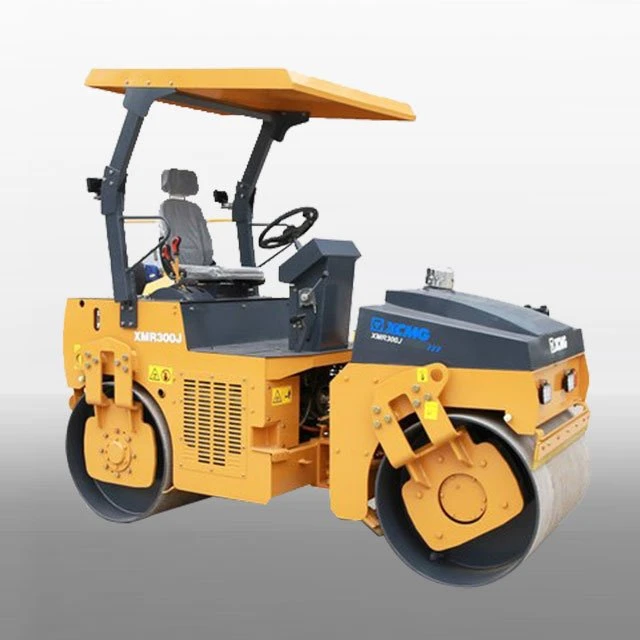
Next up, the powertrain. 1-ton rollers are small, so their engines aren't massive, but there are solid upgrades to boost reliability and efficiency without adding a ton of weight. A lot of entry-level models come with basic air-cooled engines, which work in mild weather but struggle in high-heat environments or with constant use. Swapping to a liquid-cooled engine is a popular upgrade among our regular customers-liquid cooling keeps the engine running at a consistent temperature, so you don't have to shut it down every 20 minutes to let it cool. That's a big deal for jobs that run 6+ hours straight. Also, upgrading to a fuel-injected engine instead of a carbureted one cuts down on fuel use by about 15% and reduces emissions, which is helpful if you're working in areas with strict environmental rules.
For operators who do a lot of uphill work or haul the roller between job sites, upgrading the transmission is another smart move. Many 1-ton rollers have a simple single-speed transmission, which means if you're going up a slight slope, the engine has to work way harder than it should. A hydrostatic transmission upgrade lets you adjust speed smoothly on the fly, no gear shifting needed. That's not just easier on the operator-it also reduces strain on the engine and transmission, so your machine lasts longer. I've had customers who upgraded their 1-ton's transmission and went an extra 2 years without any powertrain issues, which pays for the upgrade multiple times over.
Now, let's talk about operator comfort and control. A lot of people skip this, but a comfortable operator is a productive operator. Entry-level 1-ton ride on rollers often have basic seat options and no roll protection, which is a safety hazard and gets tiring after a full day. Upgrading to a padded, suspension seat with lumbar support makes a huge difference-operators tell me they don't feel sore at the end of the day, which means they can focus on their work instead of complaining about back pain. For safety, adding a foldable rollover protective structure (ROPS) is a non-negotiable upgrade for anyone working on slopes or uneven terrain. It adds a layer of protection without making the machine too big to fit through standard gates, which is perfect for 1-ton units.
Another small comfort upgrade: adjustable steering and joystick controls. Some base 1-ton rollers have fixed steering, which means short operators have to hunch over or tall operators have to sit awkwardly to reach the wheel. Swapping to adjustable steering columns or joystick controls (instead of a steering wheel) gives you way more flexibility. Joysticks are especially handy for tight maneuvering-if you're working around obstacles, being able to pivot the roller 180 degrees in a small space is way easier with joysticks than a wheel. I should mention that our XCMG Small Road Roller line already has some of these comfort features as standard, so if you're buying new, you might not need to upgrade these right away, but it's still an option if you have an older model.
When it comes to compaction quality, a lot of people overlook the importance of compaction measurement tools. Entry-level 1-ton rollers don't come with any way to check if you're getting the right compaction density, which means you might end up redoing a job because it's not compacted enough. Adding a simple compaction meter or a temperature sensor (for asphalt jobs) is a great upgrade. A compaction meter attaches to the drum and gives you real-time readings of how dense the material is, so you can make sure you're meeting project specifications on every pass. For asphalt work, a temperature sensor lets you know when the asphalt is at the right temperature to compact-too hot and it will stick to the drum, too cold and it won't compact properly. This upgrade is a big help for operators who are new to small paving jobs, since it takes the guesswork out of the process.
Wait, let's clarify something here: if you're doing asphalt compaction, a single-drum vibratory roller is better than a tandem for small jobs, right? Our Vibratory Single Drum Rollers line is designed for exactly that-1-ton single-drum units with vibration settings that are perfect for asphalt, not just soil. If you're using a tandem roller, that's more for larger jobs, but a 1-ton tandem might be overkill for most residential or small municipal work, so sticking with a single-drum upgraded for vibration is usually the way to go.
Now, let's talk about maintenance and durability upgrades. 1-ton rollers are small, but they're often worked hard, so keeping them in good shape is key. Upgrading the hydraulic system is a smart move if you're seeing leaks or slow performance with the base system. A higher-quality hydraulic pump and hoses reduce the chance of leaks, which saves you money on repairs and downtime. Also, upgrading to heavy-duty drum bearings and seals prevents premature wear-especially if you're working on abrasive materials like gravel or crushed stone. I've had customers who skipped this upgrade and had to replace their drum bearings after 1 year, which cost more than doing the upgrade upfront. It's a small investment that pays off in the long run.
Another thing to consider: attachments. A lot of people don't know that 1-ton road rollers can work with a range of attachments, which turns a single machine into a multi-purpose tool. Common attachments for 1-ton rollers include padfoot shells for soil compaction (instead of smooth drums), which is perfect for building up the base for a driveway or patio, and a water spray kit for asphalt work to prevent the asphalt from sticking to the drum. The water spray kit is especially useful-entry-level models often have a basic water system that clogs easily, so upgrading to a filtered, pressurized water spray kit means less downtime cleaning the lines and better control over how much water you're using.
Wait, should I mention when to upgrade instead of replacing? A lot of operators think if their 1-ton roller is 5 or 6 years old, they should just buy a new one, but that's not always the case. Most 1-ton rollers are very durable, and upgrading parts like the engine, transmission, or drum is often cheaper than buying a new machine. For example, a liquid-cooled engine upgrade for a 1-ton roller is about half the cost of a new base machine, and if you're keeping the rest of the machine in good shape, you can get another 5-7 years of use out of it. Of course, if your machine is older than 10 years and has major wear on the frame or chassis, replacing might make more sense, but for most 10-year-old or newer units, upgrades are the way to go.
Let me also cover a common mistake I see: upgrading too much. It's easy to get carried away with upgrades, adding every possible feature, but for a 1-ton roller, you don't need a 3 Ton Road Roller's transmission or a full cab enclosure unless you're working in extreme conditions. The best upgrades are the ones that match your actual job needs. If you work mostly on residential driveways, a vibratory drum and suspension seat are way more useful than a cab enclosure. If you work on construction sites, a compaction meter and heavy-duty bearings are better than a fancy color display. Sticking to upgrades that solve your specific pain points (whether that's slow speed, sore back, or inconsistent compaction) will give you the most return on your investment.
Now, if you're thinking about pulling the trigger on upgrades, here's a quick checklist to make sure you're making the right choices: First, assess your most common jobs. Are you doing soil compaction, asphalt, or both? That will tell you if you need a vibratory drum, padfoot shells, or a water kit. Second, check your machine's age and current condition. If it's running well just with minor issues (like a carbureted engine), upgrading the powertrain is a good move. Third, think about operator comfort-if your team is complaining about sore backs or hard steering, those upgrades will boost productivity more than a lot of others. Fourth, factor in maintenance-upgrading parts that reduce downtime (like hydraulic hoses or bearings) will save you money over time.
Before I wrap up, let me give a quick tip for anyone in the market for a new 1-ton roller to start with. Our Ride On Road Roller line comes in both standard and pre-upgraded units, so you can pick a base model and add exactly the upgrades you need later, instead of paying for features you'll never use. And if you're curious about how some of these upgrades work in practice, you can check out our XCMG Small Road Roller page for detailed specs on our upgrade options. If you're looking at a tandem option, our Vibratory Tandem Rollers line is great if you do a lot of narrow, multi-pass jobs, but for most small-space work, a single-drum upgraded model is more efficient.
Whether you're upgrading an existing 1-ton roller or buying a new one, these upgrades are designed to make your machine work harder, last longer, and be more comfortable for you. No matter if you're a small contractor just starting out or a seasoned pro with a fleet, the right tweaks can turn a basic 1-ton road roller into a workhorse that fits your exact needs.
If you're ready to talk through which upgrades make sense for your operation, or want to learn more about our 1-ton models and compatible upgrades, feel free to reach out to our sales team to start the conversation about customizing your road roller for your jobs.
