

A 1-ton road roller is a compact yet powerful machine widely used in road construction and maintenance projects. Its braking system is a crucial component that ensures the safety and efficiency of the operation. As a supplier of 1-ton road rollers, I am well-versed in the intricacies of these braking systems and am eager to share this knowledge with you.
The Importance of the Braking System in a 1-Ton Road Roller
The braking system of a 1-ton road roller plays a vital role in the overall performance and safety of the machine. During operation, the road roller needs to start, stop, and reverse frequently. A reliable braking system is essential to control the speed of the roller and bring it to a halt quickly and safely when necessary. This not only protects the operator but also prevents damage to the machine and the surrounding environment.
Types of Braking Systems in 1-Ton Road Rollers
There are mainly two types of braking systems commonly used in 1-ton road rollers: mechanical braking systems and hydraulic braking systems.
Mechanical Braking Systems
Mechanical braking systems are relatively simple and cost - effective. They typically use friction to slow down or stop the rotation of the wheels or drums. One common type of mechanical brake is the shoe brake. In a shoe brake, brake shoes are pressed against the inner surface of a brake drum by a mechanical linkage. When the operator applies the brake pedal, a series of levers and rods transfer the force to the brake shoes, causing them to expand and create friction against the drum.
Another type of mechanical brake is the disc brake. Disc brakes consist of a brake disc attached to the wheel hub and brake calipers. When the brake is applied, the calipers squeeze the brake pads against the disc, generating friction and slowing down the wheel. Mechanical braking systems are often used in smaller and less complex 1 - ton road rollers, especially those with lower operating speeds.
Hydraulic Braking Systems
Hydraulic braking systems are more advanced and offer better performance and control. They use hydraulic pressure to operate the brakes. In a hydraulic braking system, when the operator presses the brake pedal, it activates a master cylinder. The master cylinder then forces hydraulic fluid through brake lines to the brake calipers or wheel cylinders. The hydraulic pressure causes the brake pads or shoes to engage with the brake disc or drum, respectively.
One of the main advantages of hydraulic braking systems is their ability to provide consistent and reliable braking force. They can also be easily integrated with other hydraulic systems in the road roller, such as the steering and vibration systems. Many modern 1 - ton road rollers are equipped with hydraulic braking systems, especially those designed for more demanding applications.
Components of the Braking System
Regardless of whether it is a mechanical or hydraulic braking system, several key components work together to ensure proper braking performance.
Brake Pedal
The brake pedal is the interface between the operator and the braking system. When the operator presses the brake pedal, it initiates the braking process. In hydraulic braking systems, the force applied to the brake pedal is converted into hydraulic pressure, while in mechanical systems, it is transferred through a mechanical linkage.
Brake Master Cylinder (Hydraulic Systems)
In hydraulic braking systems, the brake master cylinder is a critical component. It consists of a piston and a reservoir of hydraulic fluid. When the brake pedal is pressed, the piston in the master cylinder moves, forcing the hydraulic fluid out of the reservoir and into the brake lines.
Brake Lines
Brake lines are used to transmit hydraulic fluid from the master cylinder to the brake calipers or wheel cylinders in hydraulic systems. In mechanical systems, cables or rods are used to transfer the mechanical force from the brake pedal to the brake shoes or pads.
Brake Calipers and Wheel Cylinders
Brake calipers are used in disc brake systems, while wheel cylinders are used in shoe brake systems. In a disc brake system, the calipers house the brake pads and use hydraulic pressure to squeeze them against the brake disc. In a shoe brake system, the wheel cylinders expand the brake shoes against the brake drum.
Brake Pads and Shoes
Brake pads and shoes are the friction - generating components of the braking system. They are made of special materials that can withstand high temperatures and provide good friction characteristics. Over time, brake pads and shoes wear out and need to be replaced to maintain proper braking performance.
Maintenance of the Braking System
Proper maintenance of the braking system is essential to ensure its reliability and safety. Here are some maintenance tips for the braking system of a 1 - ton road roller:
Regular Inspection
Regularly inspect the brake components for wear, damage, and leaks. Check the brake pads or shoes for thickness, and replace them if they are worn beyond the recommended limit. Inspect the brake lines for cracks, leaks, or signs of corrosion. In hydraulic systems, check the hydraulic fluid level and its condition regularly.
Lubrication
In mechanical braking systems, some components may require lubrication to ensure smooth operation. However, be careful not to apply lubricant to the brake pads or shoes, as it can reduce their friction performance.
Adjustment
Mechanical braking systems may need periodic adjustment to maintain proper brake clearance. Incorrect brake clearance can lead to poor braking performance or premature wear of the brake components.
Our 1 - Ton Road Rollers and Their Braking Systems
As a supplier of 1 - ton road rollers, we offer a range of high - quality machines with reliable braking systems. Our road rollers are designed to meet the diverse needs of our customers, whether it is for small - scale road construction projects or landscape maintenance.
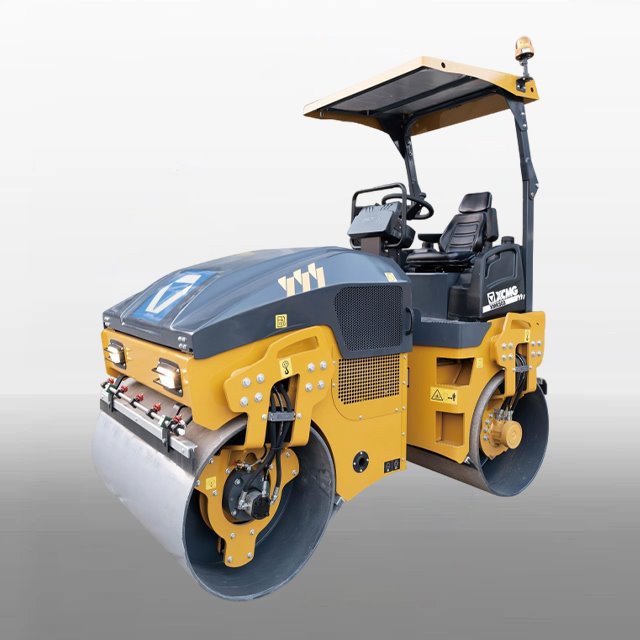
We have models equipped with both mechanical and hydraulic braking systems. Our XCMG Single Drum Vibratory Roller features a state - of - the - art hydraulic braking system that provides excellent braking performance and control. The fully - hydraulic design ensures smooth and consistent braking, even under heavy loads.
Our Fully - hydraulic Vibratory Roller also utilizes a hydraulic braking system, which is integrated with the overall hydraulic system of the machine. This integration allows for better coordination between different functions, enhancing the overall efficiency and safety of the road roller.
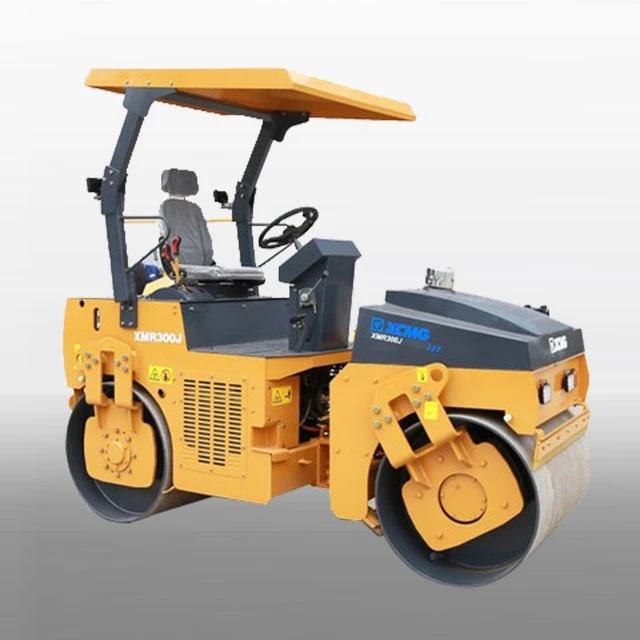
In addition to our 1 - ton road rollers, we also offer 3 Ton Road Roller models for customers with larger - scale projects. These rollers also come with advanced braking systems to ensure safe and reliable operation.
Contact Us for Purchase and Consultation
If you are in the market for a 1 - ton road roller or have any questions about our products and their braking systems, we encourage you to contact us. Our team of experts is ready to provide you with detailed information, answer your queries, and assist you in making the right choice for your project. Whether you need a road roller for a short - term rental or a long - term purchase, we can offer you the best solutions at competitive prices.
References
- Automotive Brake Systems Handbook, by John C. Dixon
- Construction Equipment Technology, by Frank R. Goss
